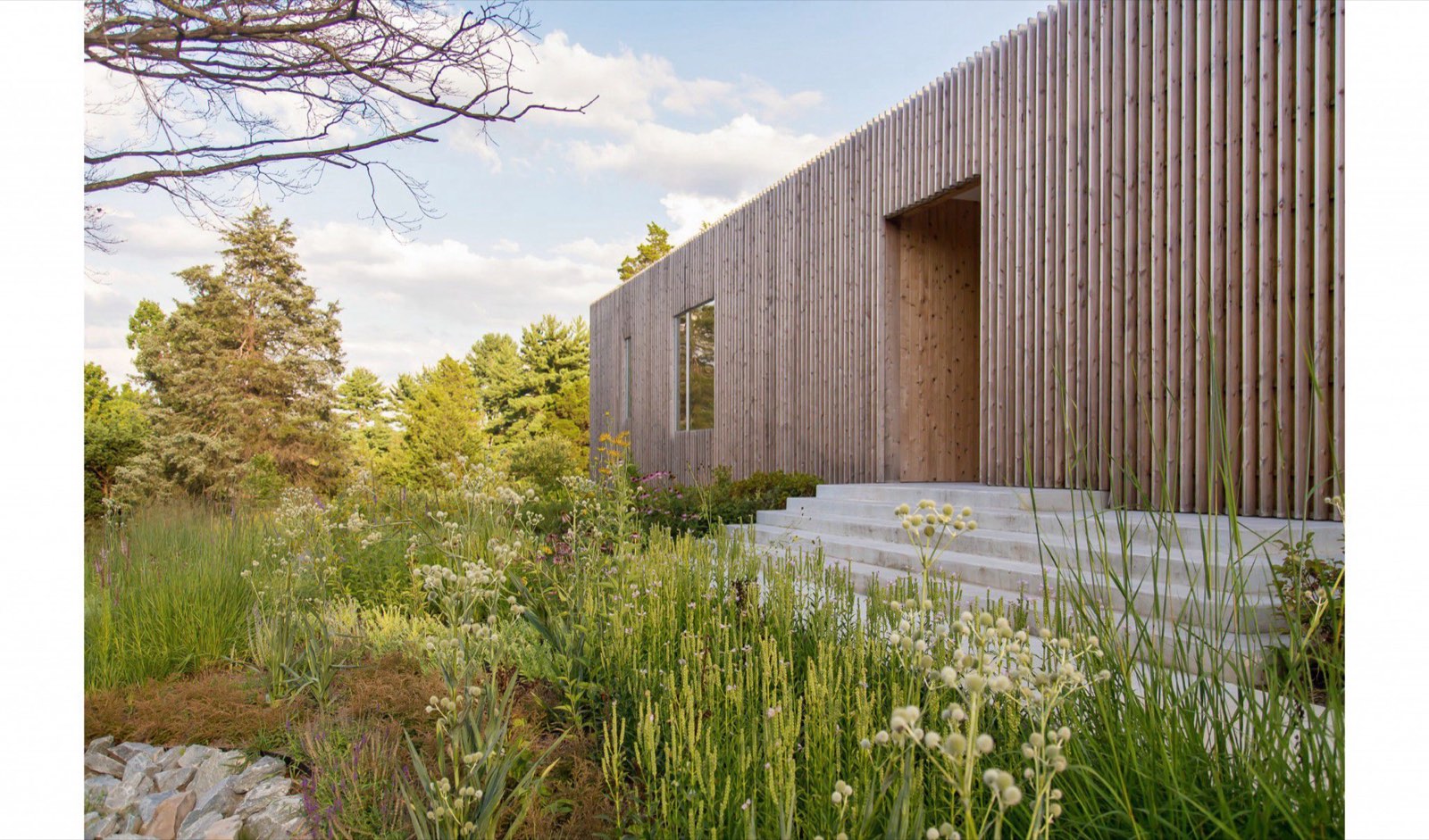
Meadow House
A single-story modern house behind a knotty cedar screen, at ease in a town that builds colonial.
Read the project →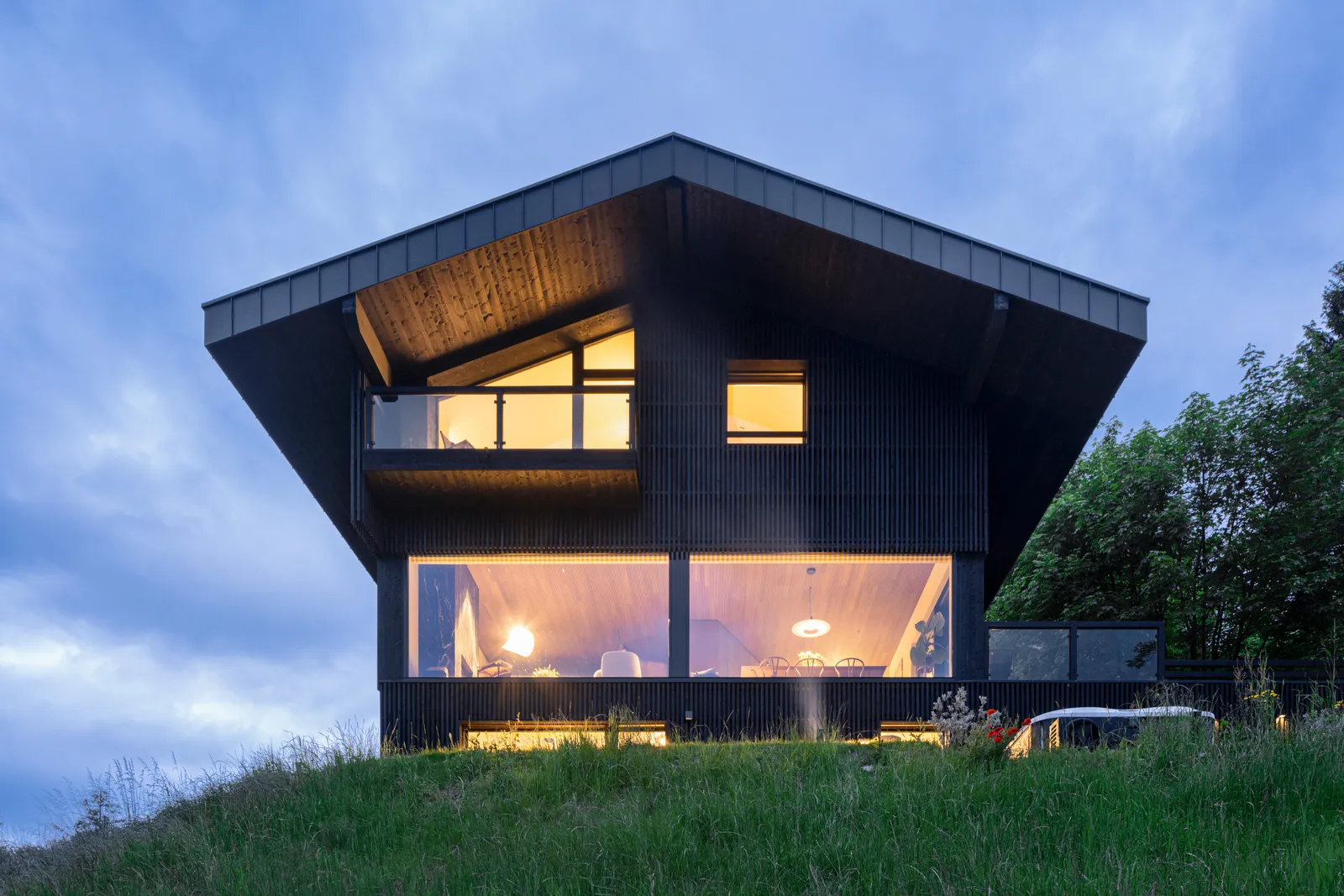
Chesa Studio/Alpine real estate/Connecticut country houses
An alpine real estate development and restoration practice working in Connecticut. We build, restore, and reposition houses and country estates for private homeowners, family offices, and the developers and hoteliers who build to the same standard, in a traditional or a modern idiom.
The practice/01
Chesa Studio works in New York State, Massachusetts, and Connecticut. The work runs from a New Milford Colonial with forty years of bad interventions removed, to the Meadow House, a cedar-screened modern house. What holds them together is honest materials and the craft to use them, in whatever idiom the house wants, all built to the same hundred-year standard.
We handle restoration, new construction, interiors, and hospitality positioning, with one hand from the first walk-through to the final fabric. Each commission is treated as a single document: site, fabric, archive, palette, sequence, and stewardship.
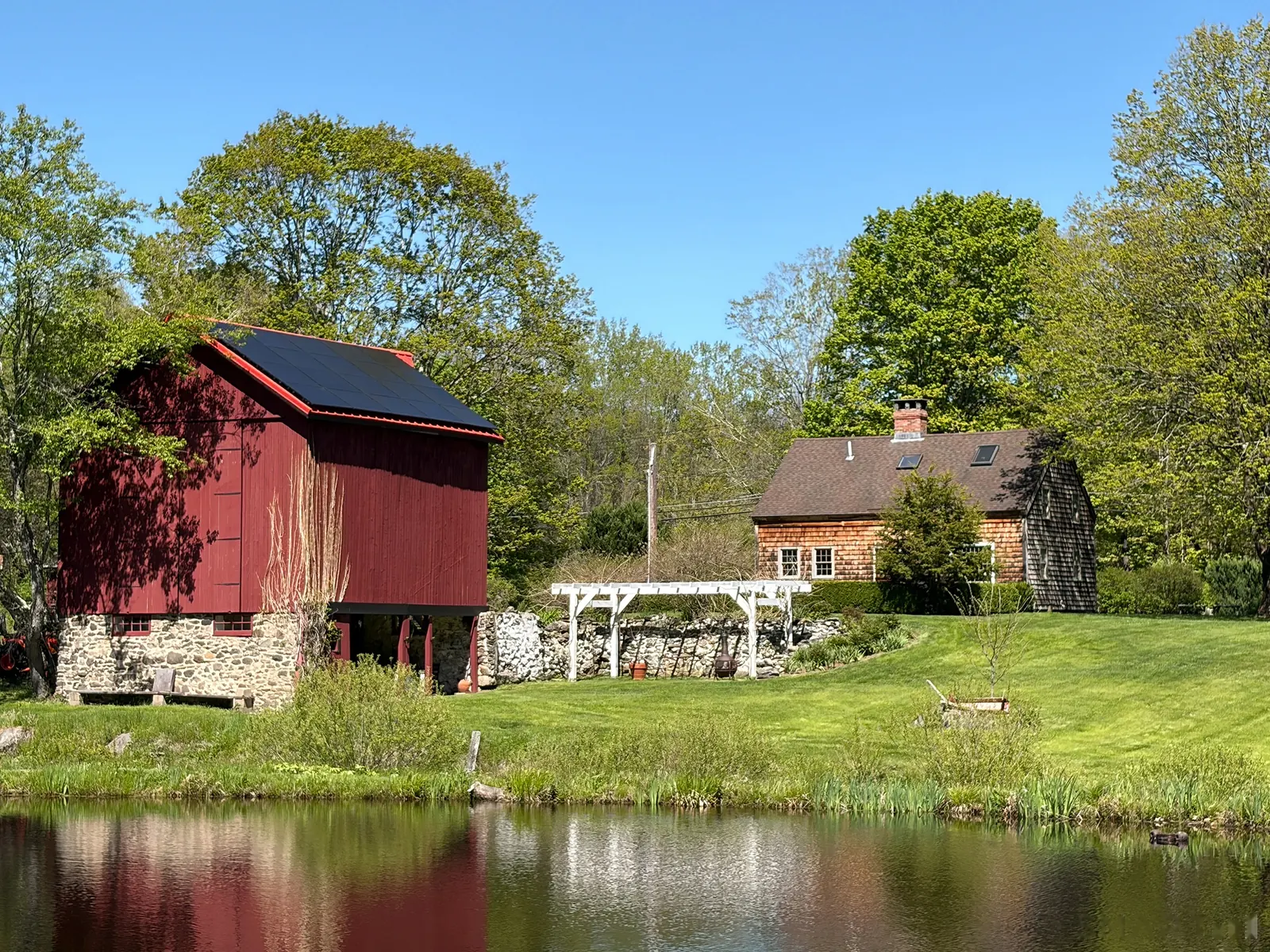
Now available/Hill Brook
Two furnished houses, a party barn, pond, brook, mature gardens, and nine acres in Litchfield. Offered as a complete estate or as a two-bedroom cottage residence through one coordinated calendar.
Projects/02
A single-story modern house behind a knotty cedar screen, at ease in a town that builds colonial.
Read the project →
Services/03
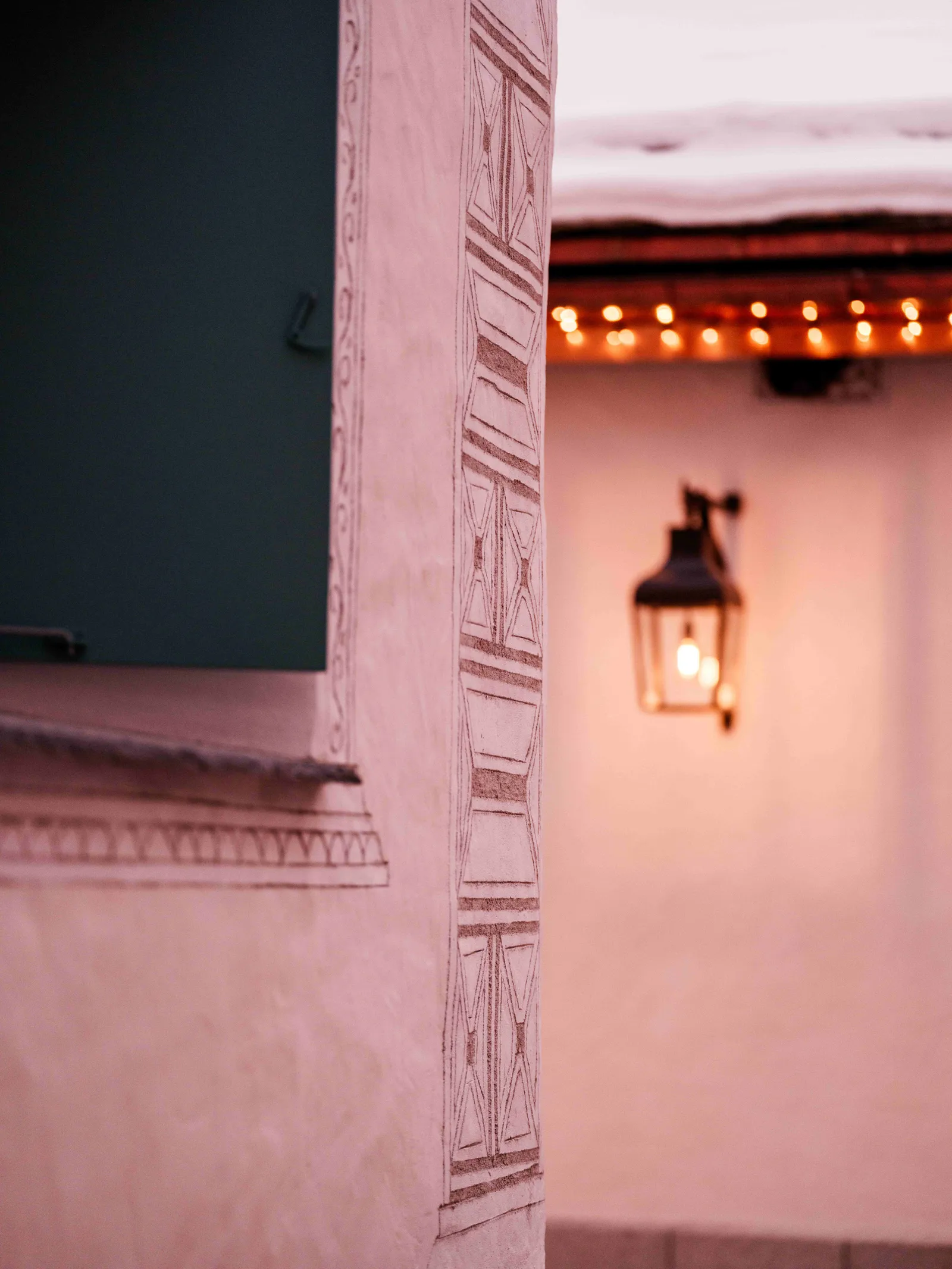
For the house you have just bought with bones. We read it before we touch it.
Open ++
Country houses in Connecticut, traditional or modern, built to the same hundred-year standard.
Open ++
The house itself is the longevity instrument. Sleep, air, heat, light, cold, and quiet, built into the fabric.
Open ++
Boiserie, hand-painted paper, plaster, named textile houses, and rooms that hold a collection.
Open ++Regions/04
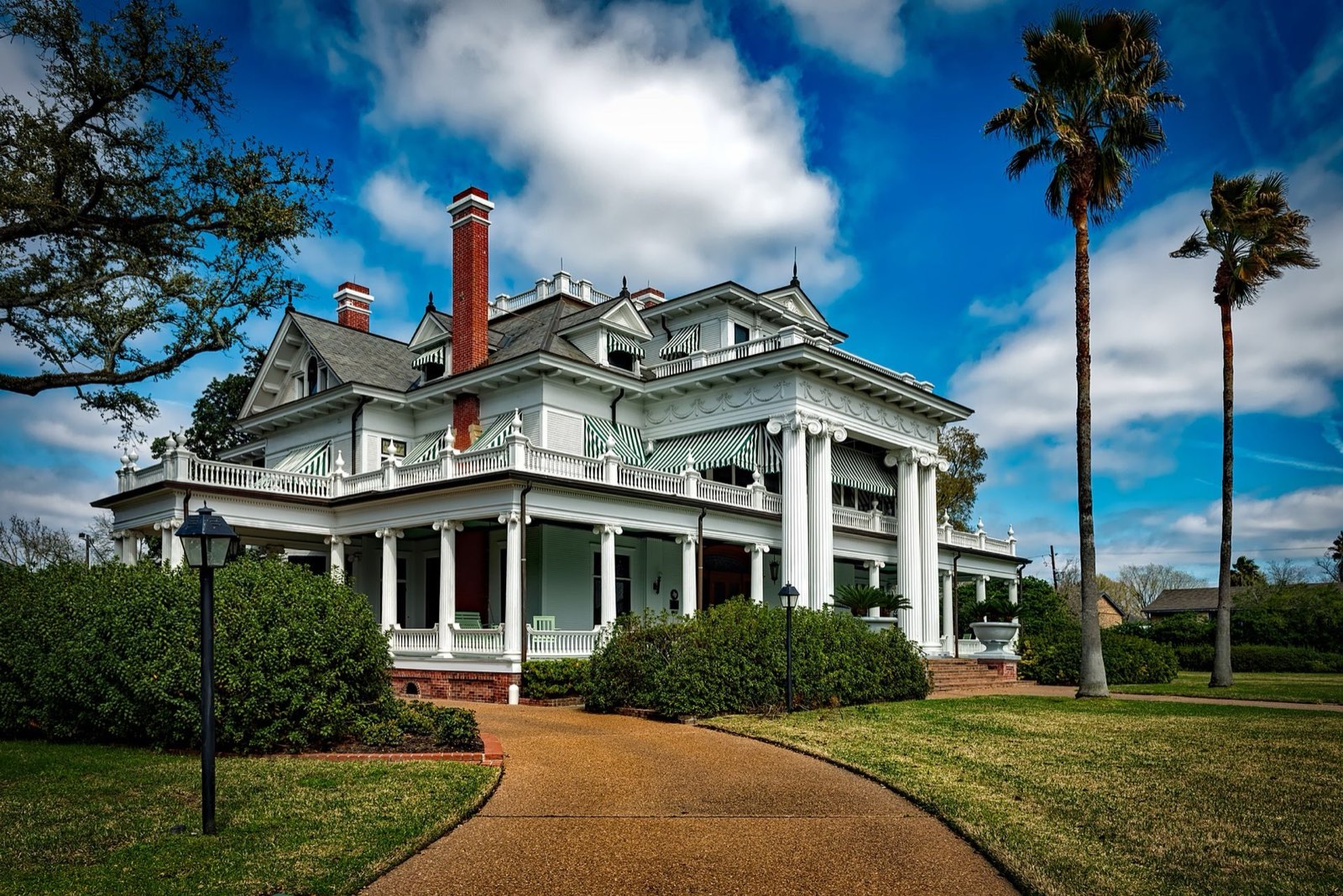
Alpine restoration craft inside a Connecticut envelope. Greenwich, New Canaan, Litchfield County.
Open ++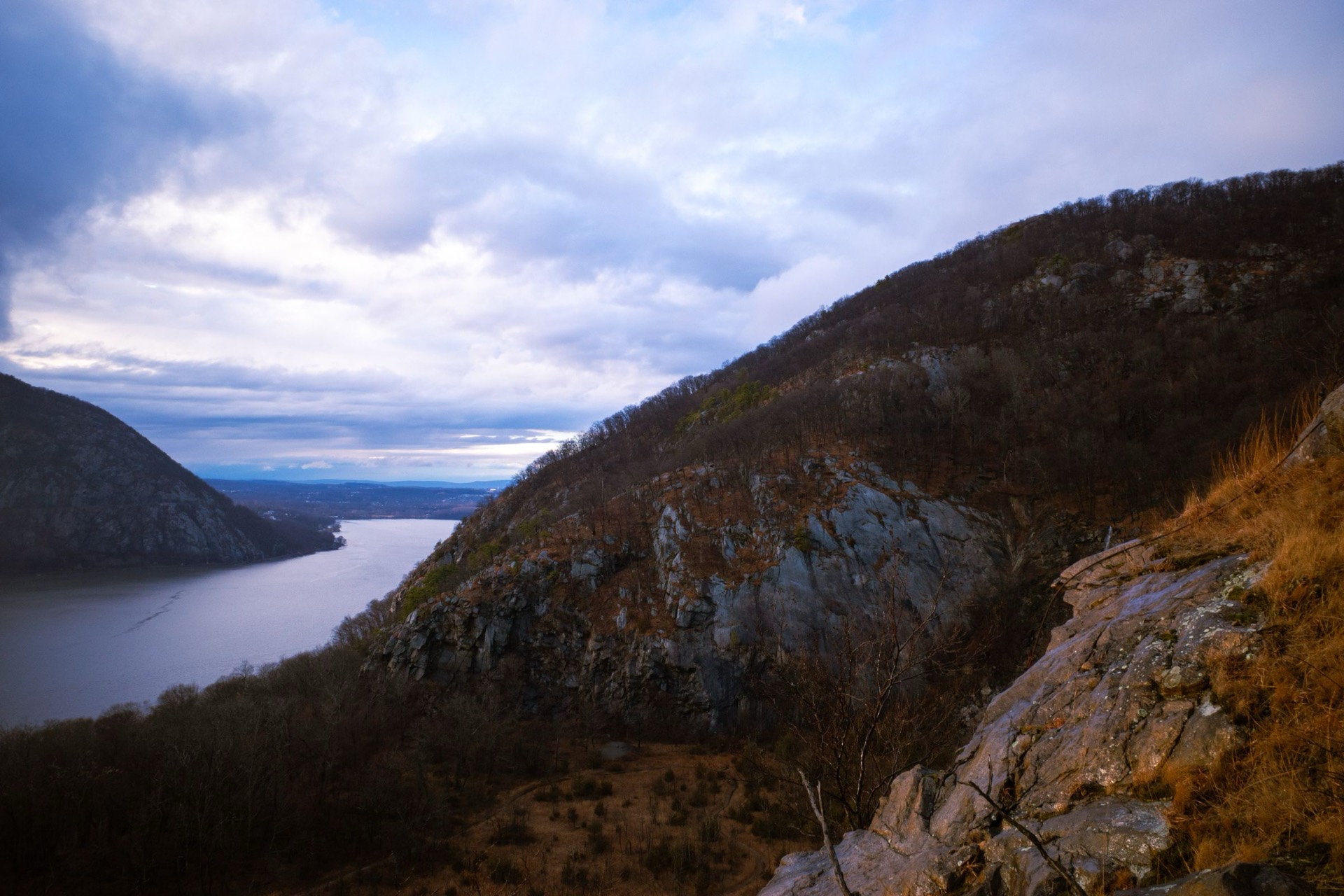
Park Avenue rooms paired with a Hudson Valley primary residence, restored to a single standard.
Open ++
Anglo-Italian villas in Tuscany and Lombardy, mas and bastide work in Provence.
Open ++Inspiration/05

Inspiration lane
Painted timber, limewash, stove culture, textile weight, and mountain light.
Open lane ++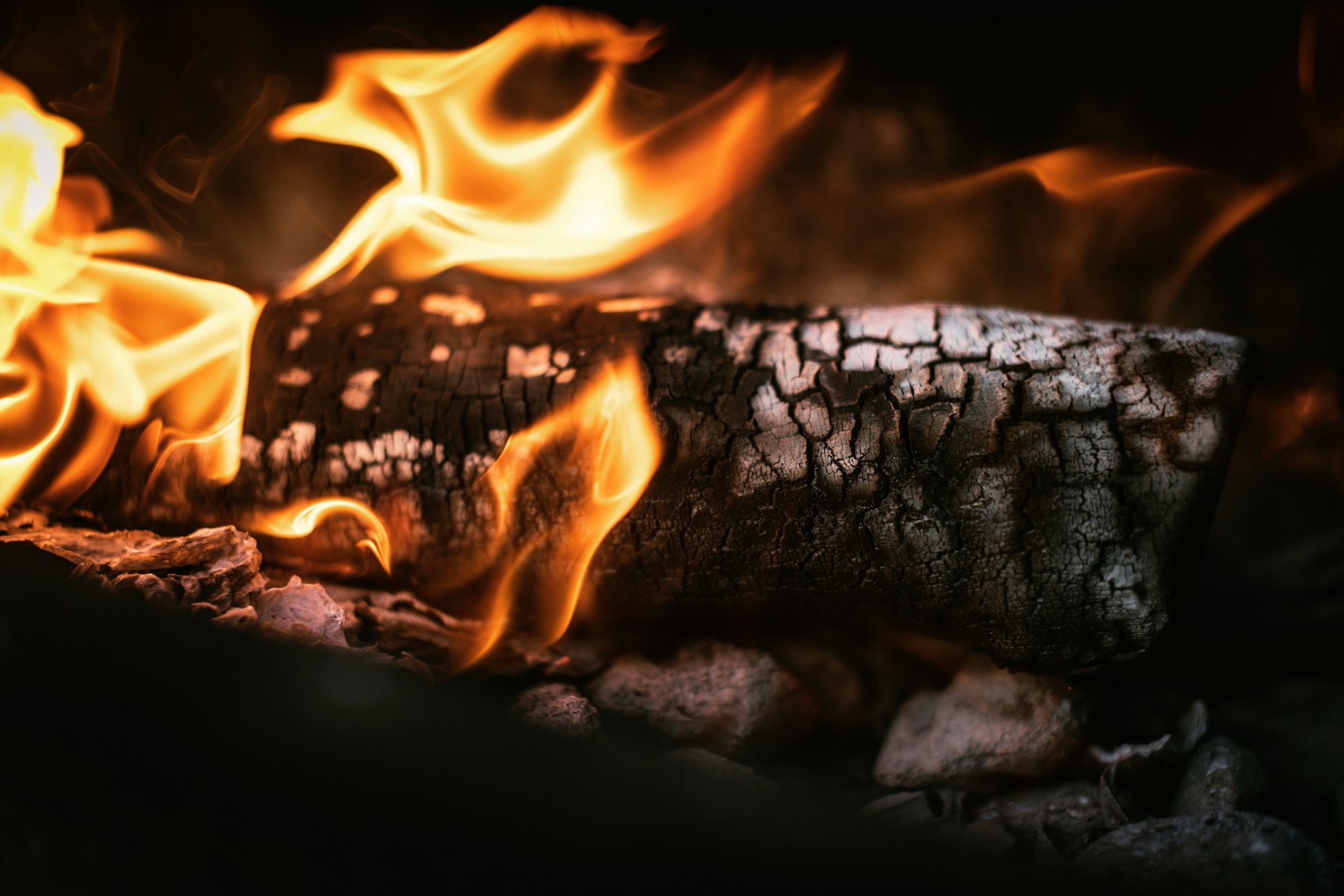
Inspiration lane
Brass, copper, stoves, lanterns, hearths, and the first emotional register of welcome.
Open lane ++
Inspiration lane
Cultivated domestic conversation, patterned rooms, art, seating, and collected time.
Open lane ++
Inspiration lane
Tables, chairs, consoles, banquettes, beds, and pieces that hold ritual.
Open lane ++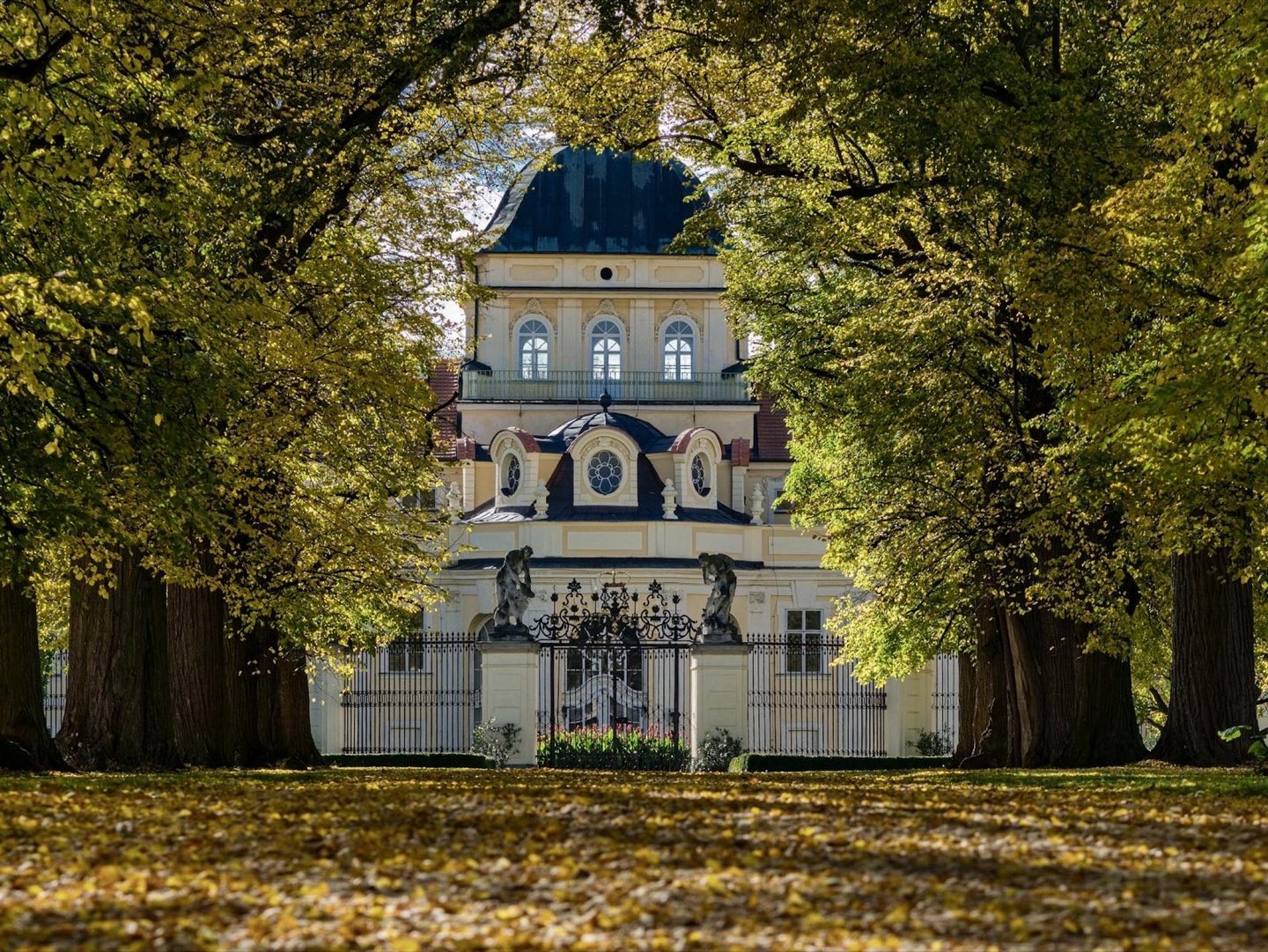
Inspiration lane
Federal houses, garden thresholds, Greenwich restraint, Ridgefield calm, and New York proximity.
Open lane ++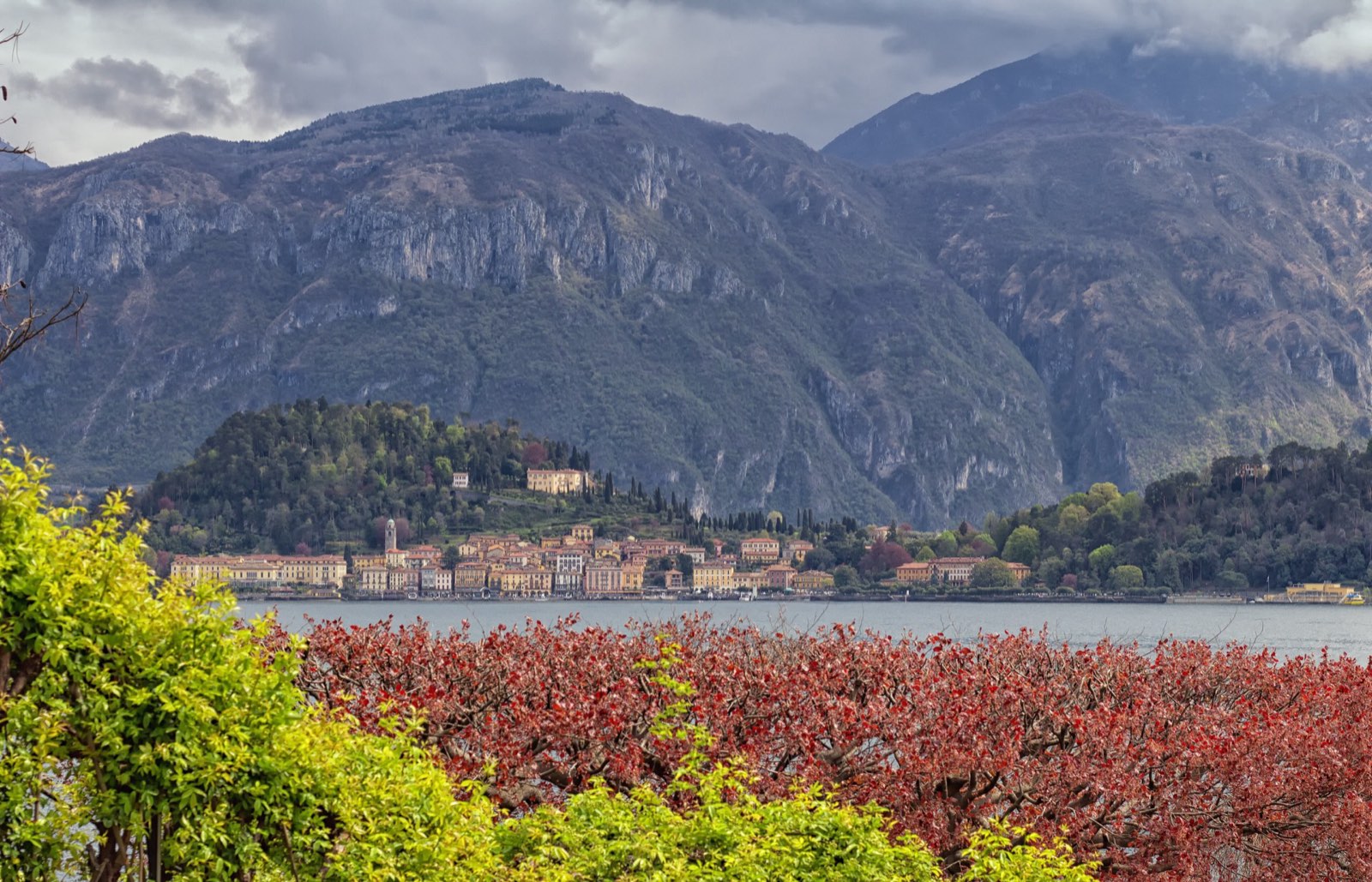
Inspiration lane
Cocciopesto, Impruneta cotto, chestnut beams, hand-forged iron, and the Anglo-Italian villa as a working model.
Open lane ++Call the studio or send a brief. We work with developers, family offices, hoteliers, and private homeowners between Connecticut, New York, Italy, and the Alps.