Chesa Studio/FAQ
First Questions
Plain answers to the questions we hear in the first call.
These are the questions we hear in the first thirty minutes of a serious conversation. Working range, geography, timeline, fee structure, and the projects we decline. If you do not see your question, the phone is (203) 651-8649.
What is your working range?
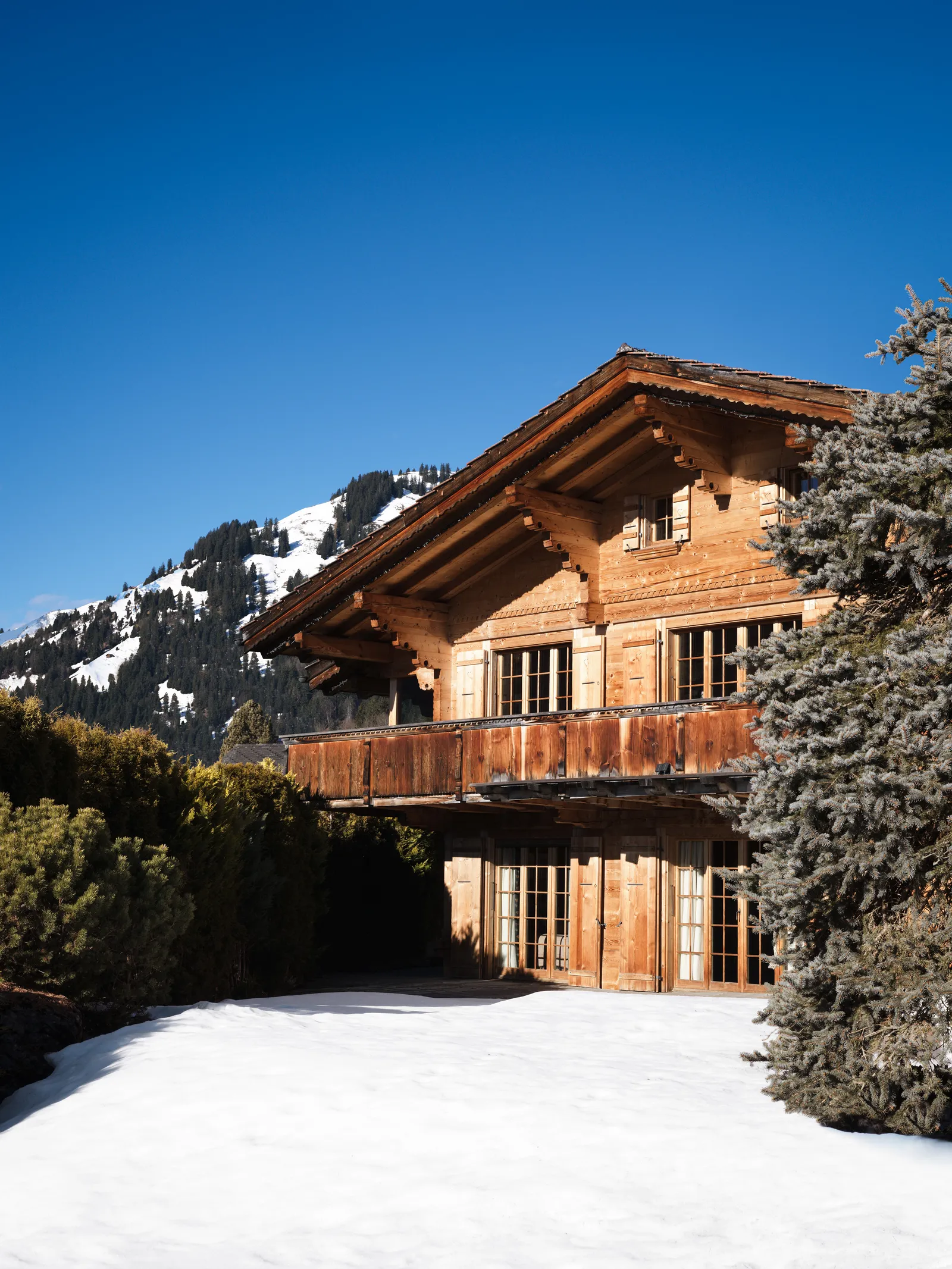
Four to ten million dollars of built work, residential primary, with regular secondary residences and the occasional hospitality or institutional commission. The lower end is usually a deep restoration of an existing Federal or Shingle Style house with fifteen to twenty named workshops. The upper end is a Litchfield County family compound with main house, pool house, gatehouse, equestrian outbuildings, and full landscape. Below four million is a sourcing or advisory engagement, not a built one.
Where do you actually work?
Connecticut from Greenwich up through Westport, Darien, New Canaan, Ridgefield, and Litchfield County. The Hudson Valley and the city. Selected work in New York State and Massachusetts when the client carries a coherent program across two houses. We do not chase commissions outside this geography because the workshops, foremen, and customs logistics are what make the work hold.
How long does a serious restoration take?
Two to four years from intake to occupancy is typical for a four to seven million dollar restoration. The first six months are reading the building: lime mortar samples, beam carbonation tests, opening selective wall sections, archive work, and writing the conservation brief. Year one is structure and envelope. Year two is fixed finishes. Year three is furnishing and the long curing of hand-troweled lime, fresco repair, and sgraffito. Festen took seven years at Hotel du Couvent. A Litchfield County Federal with original boiserie and a Sommerhuber-rebuilt kachelofen can take five.
How long does a new build take?
Three to five years for a six million dollar Connecticut country house built to read as inherited. Twelve to eighteen months of design with the architect of record, six months of permitting and town review, two to three years of construction. The slow line is the lime work, the reclaimed chestnut beam program, and the fieldstone laid in lime mortar by a Litchfield mason crew that works at a pace the trade lost in 1960.
What is the fee model?
A fixed advisory and pre-design phase at the start, typically eighty to one hundred eighty thousand dollars, which produces the conservation brief, the program, the workshop shortlist, and the budget framework. From there, a coordinated fee tied to scope: a percentage of named workshop contracts and material spend on restoration work, a fixed monthly retainer on long new builds, hourly only on small institutional consulting. No markups hidden inside vendor invoices. The fee sheet is named, line by line, in the engagement letter.
Do you replace the architect of record?
No. We work alongside the architect of record and the structural engineer, never instead of them. On Connecticut new builds we have worked with the Wadia office, with Robert A.M. Stern Architects, with Ferguson and Shamamian, with Allan Greenberg, and with Gil Schafer when the program fits his hand. On European restorations we coordinate the local architect of record required by the commune or province. Our position is curator, conservation lead, material director, and workshop coordinator. The architect signs the drawings.
What projects do you decline?
Speculative flips. Eight-month gut renovations. Anything that requires sandblasting an original beam, ripping out a working kachelofen, painting limewash over latex, or treating fieldstone with a sealer. We decline projects where the schedule will not let the lime cure, where the budget cannot carry the named workshops the building deserves, or where the client wants a hotel look on a private house. We will say this in the first call rather than write a proposal that misrepresents the work.
Can you build wellness and longevity into the house?
Yes, and we would rather build it into the fabric than into a machine room. Arve sleep rooms, lime-plaster air, a kachelofen radiating through the plan, sauna and cold plunge in the garden, morning light sequenced by the architecture, wool in the partitions for quiet. The science we cite is real and we state its limits plainly. A wellness wing adds roughly four hundred thousand to one and a half million dollars to a new build depending on scope.
Do you furnish, source, and place art?
Yes, as part of the same engagement. Curatorial interiors are continuous with the restoration: Italian and Belgian linen, Loro Piana cashmere fabric, Holland and Sherry wool, Pierre Frey, Fortuny, Rubelli where the room asks for it. Furniture is collected over the project life from named European dealers and selected American sources, not bought as a package. Contemporary art placement is part of the same brief as the building. We work with the family's existing advisors and dealers where they exist, and we place work against the wall it has to live on rather than dropping it on a finished room. None of this is outsourced to a separate decorator.
Will you travel for the project?
Yes. Site presence is part of the fee. We are on the ground in Connecticut weekly during construction. We coordinate shipping for workshop pieces moving between sites. The studio operates on Eastern time.
How do we start?
A first call on (203) 651-8649 or a written brief through the contact form. Twenty to thirty minutes is usually enough to know whether the geography, the range, the program, and the timeline are a real match. If they are, we schedule a site visit within four to six weeks, walk the building or the parcel, and return a fixed advisory proposal inside three weeks. We do not write speculative concept decks and we do not present competitive pitches. Client references are available on request once geography and range are confirmed.
Restoration in Connecticut
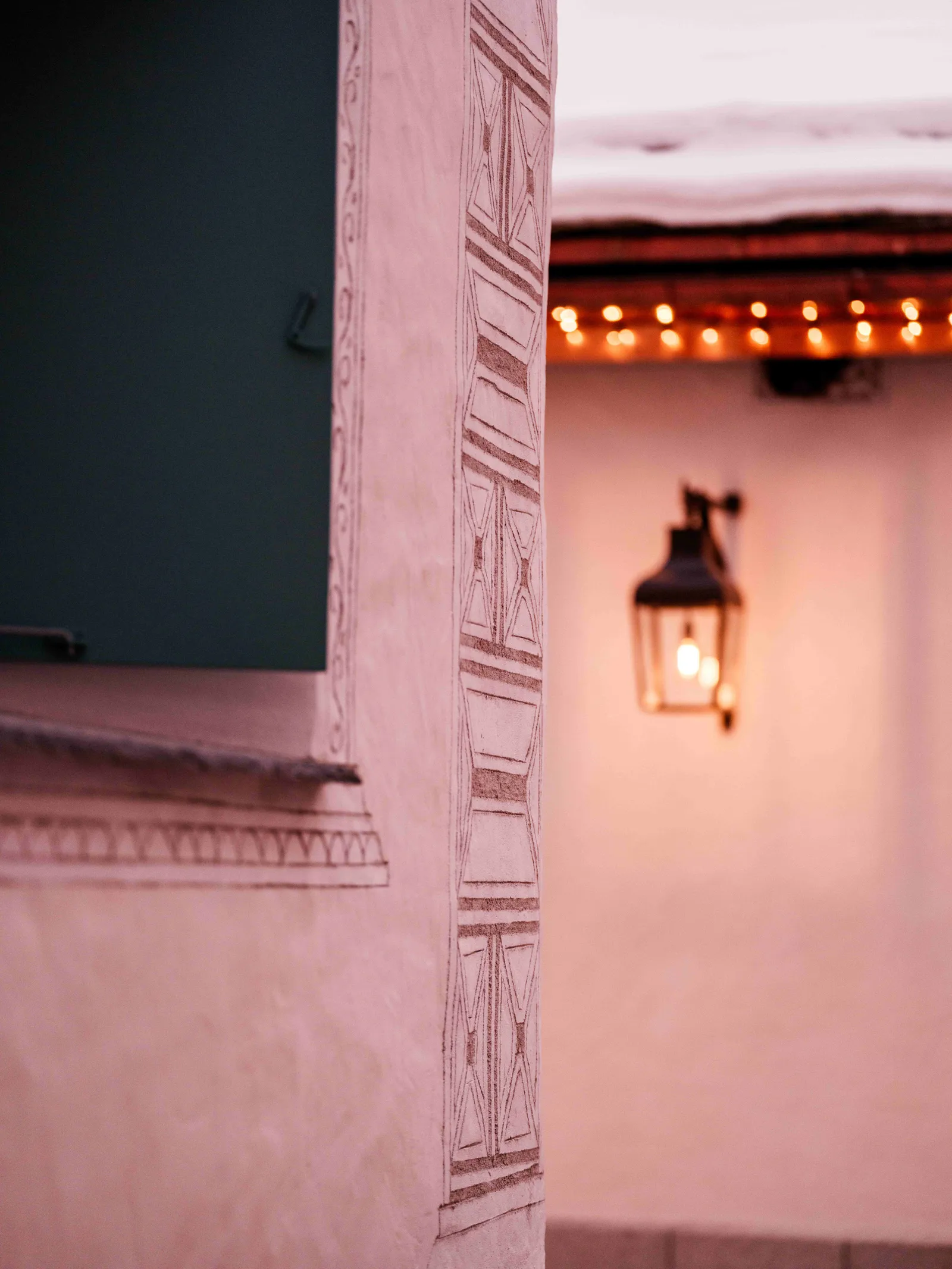
A Federal in Litchfield County, restored room by room. Sgraffito on the south facade where a client wants it, a Sommerhuber kachelofen rebuilt to the original footprint. Two to four years on a serious restoration.
Open ++
New work in Connecticut
A Federal-scale new build in Salisbury, a Shingle Style on the Greenwich back-country, a Litchfield farmhouse with a kachelofen at the long wall. The Allan Greenberg and Gil Schafer canon read against the Reschio standard for fixed material. Three to five years door to door. Hull Forest Products, Marmorino lime, P.E. Guerin.
Open ++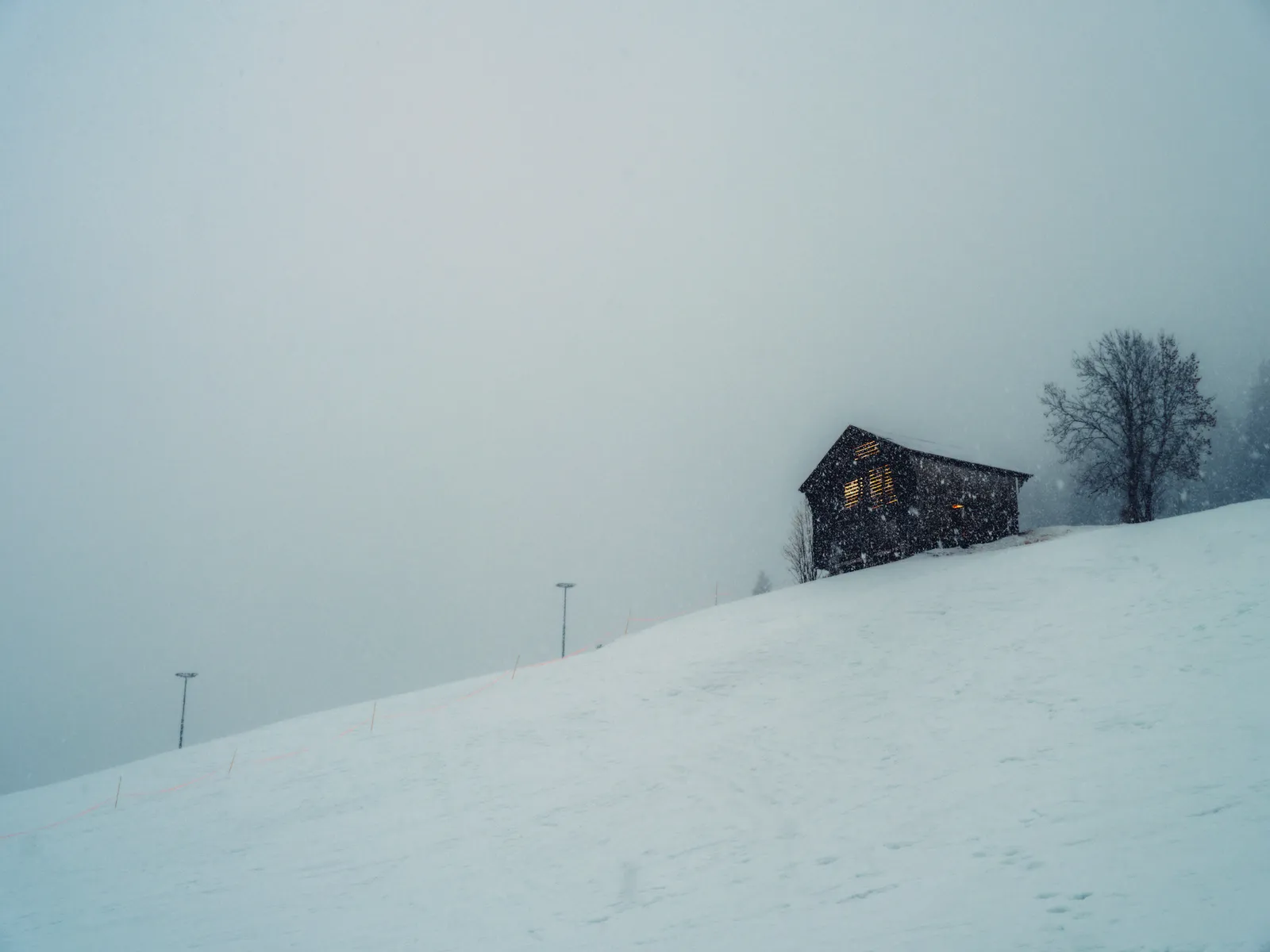
A first call
A twenty to thirty minute call. The property, the position, the program, the calendar. We read every inquiry within two business days. Call (203) 651-8649 or write contact@chesa.studio. From the first call: a site visit, a written brief, a material sample board, then drawings. One studio, based in Litchfield County.
Open ++Sources and notes
Process
Intake, reading the building, conservation brief, workshop assembly, fixed finishes, furnishing.
Services
Restoration stewardship, development advisory, curatorial interiors, hospitality direction.
Projects
Weston Federal Colonial and the Meadow House.
Begin the brief.
Send a brief or call the studio. We respond to every serious inquiry within two working days.