Working Glossary
Materials Vocabulary
The spec book Chesa works from. Named workshops, regional quarries, maintenance discipline.
This is the page we share with a client before the first material meeting. It is the same glossary we hand to every project manager in Litchfield County and beyond. Each entry names the material, the use it is suited to, the workshops or quarries we trust to deliver it, and the maintenance the owner will live with for the next fifty years. The vocabulary is deliberately narrow. We would rather work three lime mixes well than specify a dozen we cannot stand behind. Material questions are best handled directly: (203) 651-8649.
Lime
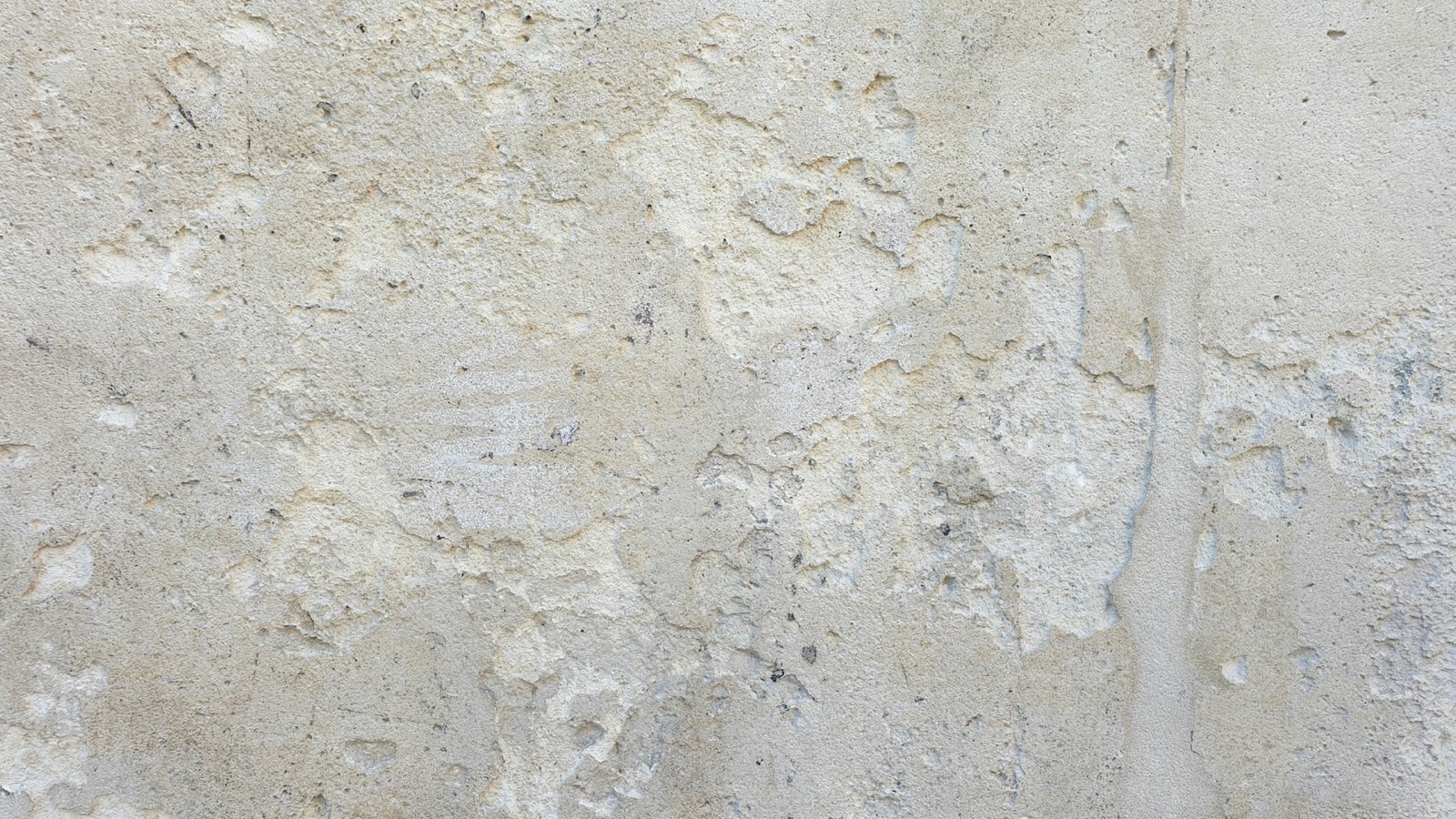
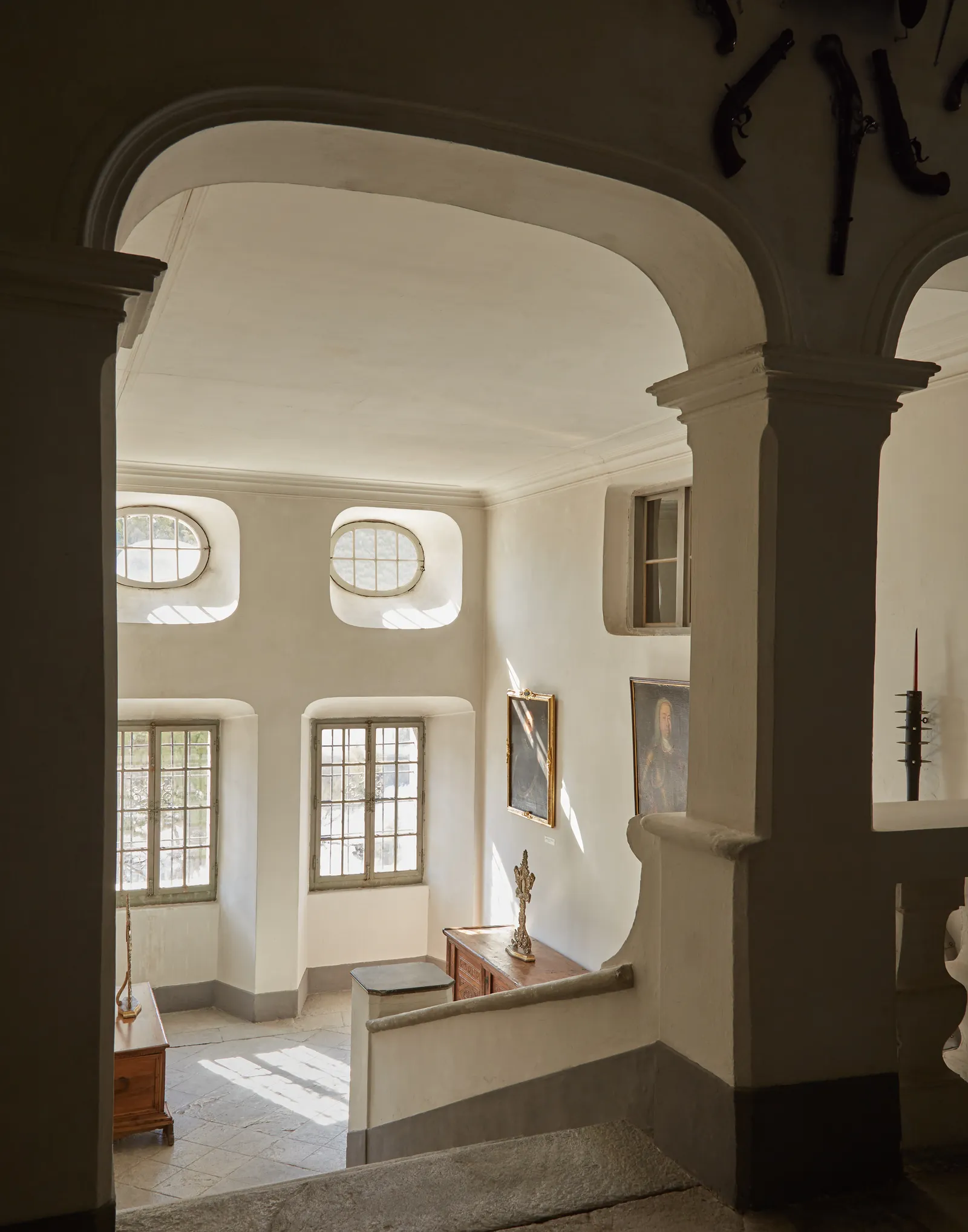
Hand-troweled three-coat lime plaster (rinzaffo, arriccio, intonaco) for interior walls, mixed and applied wet over a lime ground; never a thin atmospheric finish. Limewash in four to seven coats with a calibrated tint, banker's brush, and a final waxed burnish on key rooms. A lime-and-hemp wall mix where we want acoustic depth and a soft thermal mass behind the plaster. We work with Kerakoll Biocalce and Tassin for site-mixed intonaco, Saint-Astier for hydraulic structural work, Bauwerk and Kalklitir for tinted limewash on new walls, Pure and Original for richer interior color saturation. In the United States the application is carried out by Kamp Studios out of New York, and on European work by a Provence crew we have used for a decade out of the Luberon. Maintenance is honest: a freshened limewash coat every eight to twelve years, no sealers, no acrylic top-ups, no scrubbing with detergent.
Oak
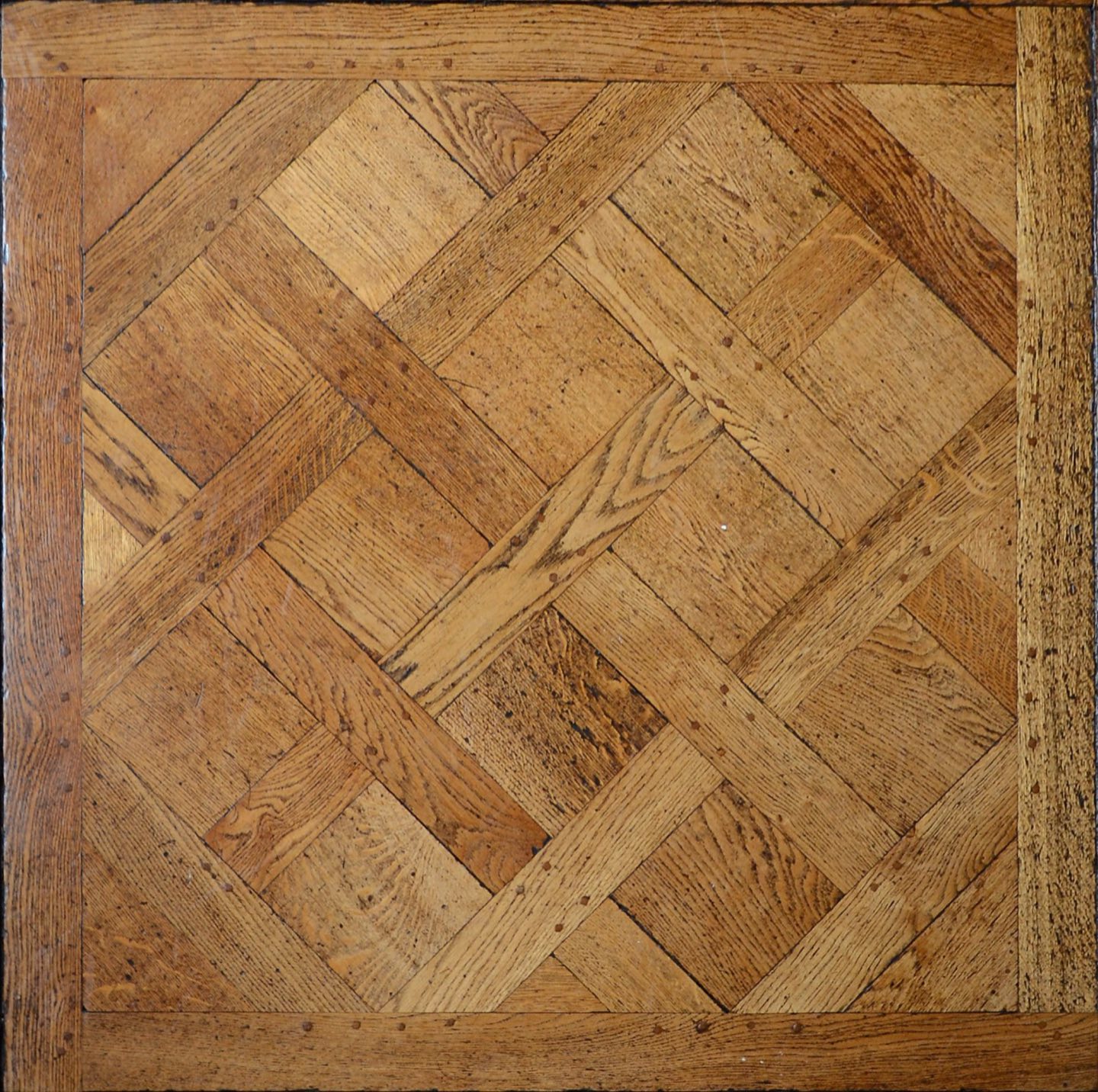
Fumed oak for floors that need depth without stain; the ammonia darkens the tannin and the board comes alive. English brown oak for paneling and a single statement floor in a library or hall, sawn from a felled tree we have followed through the mill. French oak parquet de Versailles for principal rooms in a Federal or a chasa; point de Hongrie and chevron for narrower halls and dining rooms. Dinesen for wide single-board planks where the building can carry them. Atelier des Granges for parquet de Versailles and the historic patterns; Listone Giordano where we want a contemporary wide-plank engineered floor. Carlisle for American wide-plank when the budget needs it. Schenck and Company for floors that have to be installed and finished to a museum standard. We finish with a hard wax oil, or a hand-rubbed wax over an oil ground. Maintenance is a damp cloth, a rewax every two to three years on heavy-traffic rooms, no polyurethane, ever.
Stone
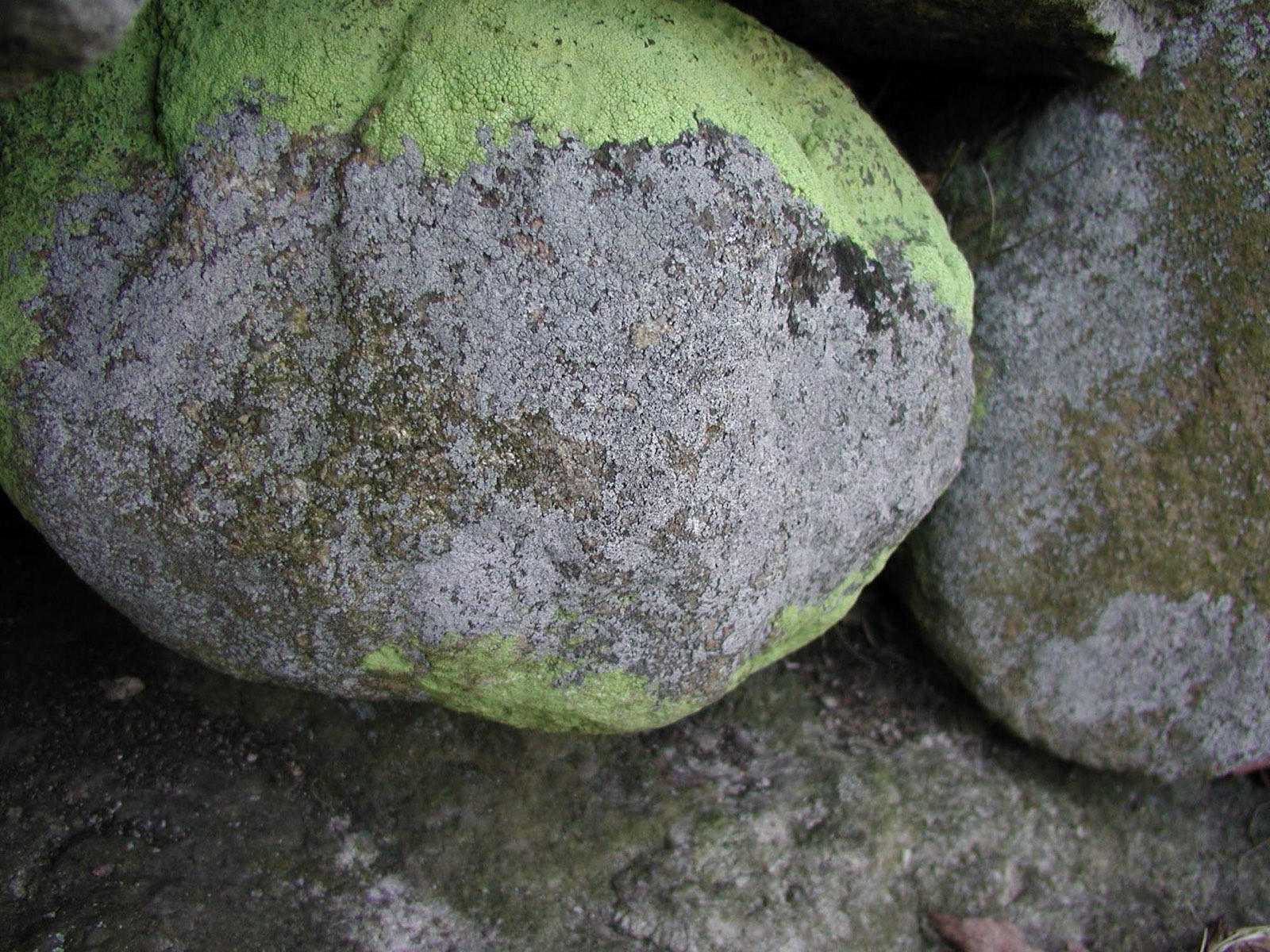
Carrara and Calacatta Vagli for kitchens, baths, and the occasional fireplace surround; Bardiglio when we want the same hand in a colder grey. Verde Alpi and Calacatta Viola for a single moment, never wall to wall. Rosso Levanto for a chapel-quiet powder room. Patagonia quartzite where the client wants a slab to behave like a painting. Pierre de Bourgogne and Belgian bluestone for floors in mudrooms, sculleries, and orangeries. Stony Creek granite for exterior plinths in Greenwich and Litchfield. Litchfield fieldstone, lichen-stained and dry-laid or set in lime mortar, for foundations, garden walls, and the lower courses of new Connecticut houses. We block-select at Henraux above Querceta, Margraf in Vicenza, and Antolini in Verona; ABC Stone in Long Island City for what we can confirm in person; Stone Farm Litchfield for the local fieldstone, gathered and graded by people who know the parcel. Maintenance is sealed once with a penetrating impregnator, then left to do its work.
Ceramic stoves
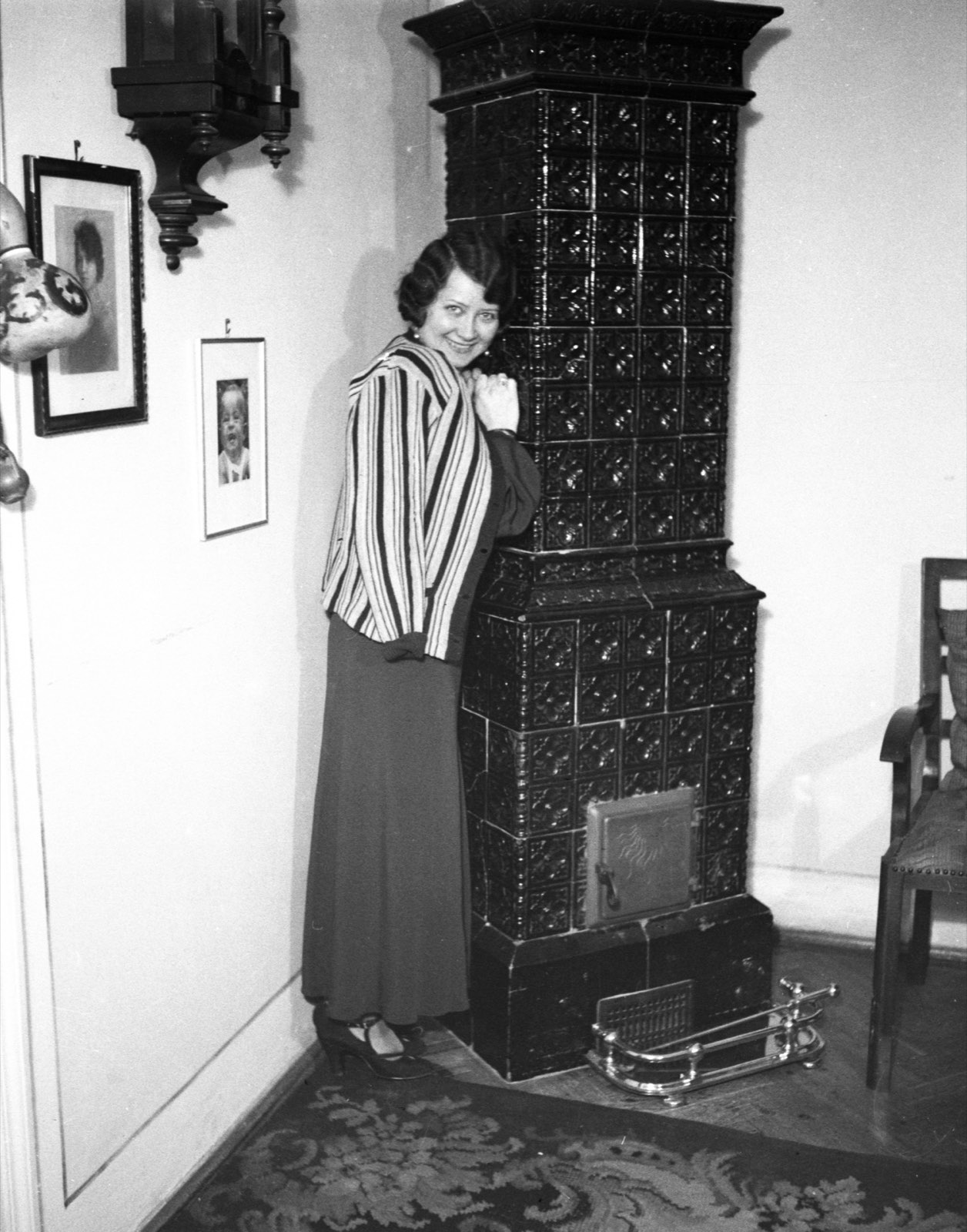
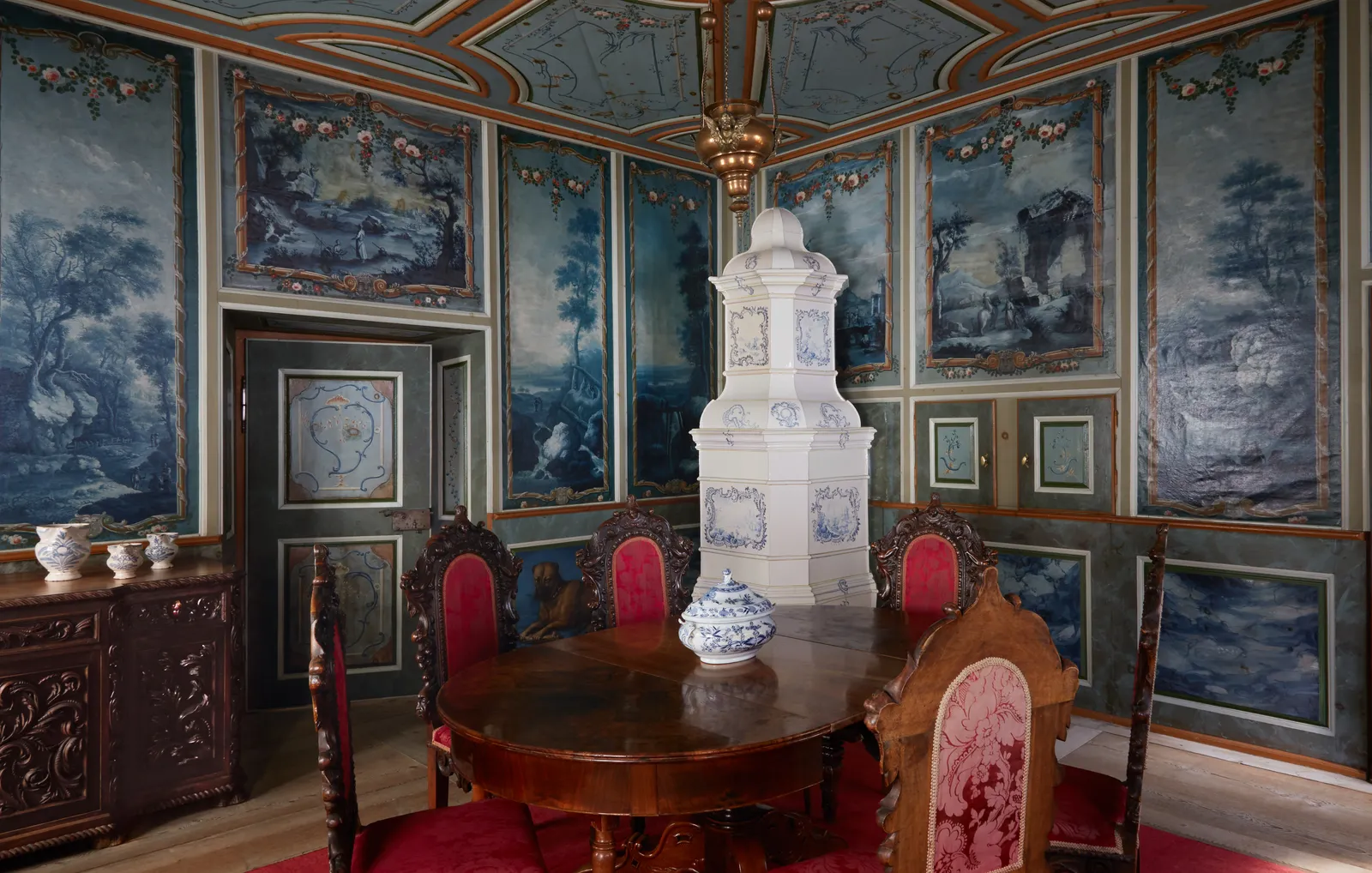
Kachelofen in tile or smooth render, sized to the room and to the wood we can actually keep dry through a Litchfield winter. We work with Sommerhuber in Steyr for the historic tile palette and the custom glaze runs, Tonwerk in Lotzwil, canton Bern, for the contemporary monolith, and Brunner for the steel-and-tile hybrid that fits a less ceremonial room. In Connecticut the installation is carried out by Maine Wood Heat under Albie Barden and by Solid Rock Masonry; both crews understand the chimney loads, the seismic clip, and the way a masonry stove has to sit on its own footing. Maintenance is a once-a-year sweep, a refractory inspection every five years, and a working agreement that the family will burn dry hardwood and nothing else.
Bronze and brass
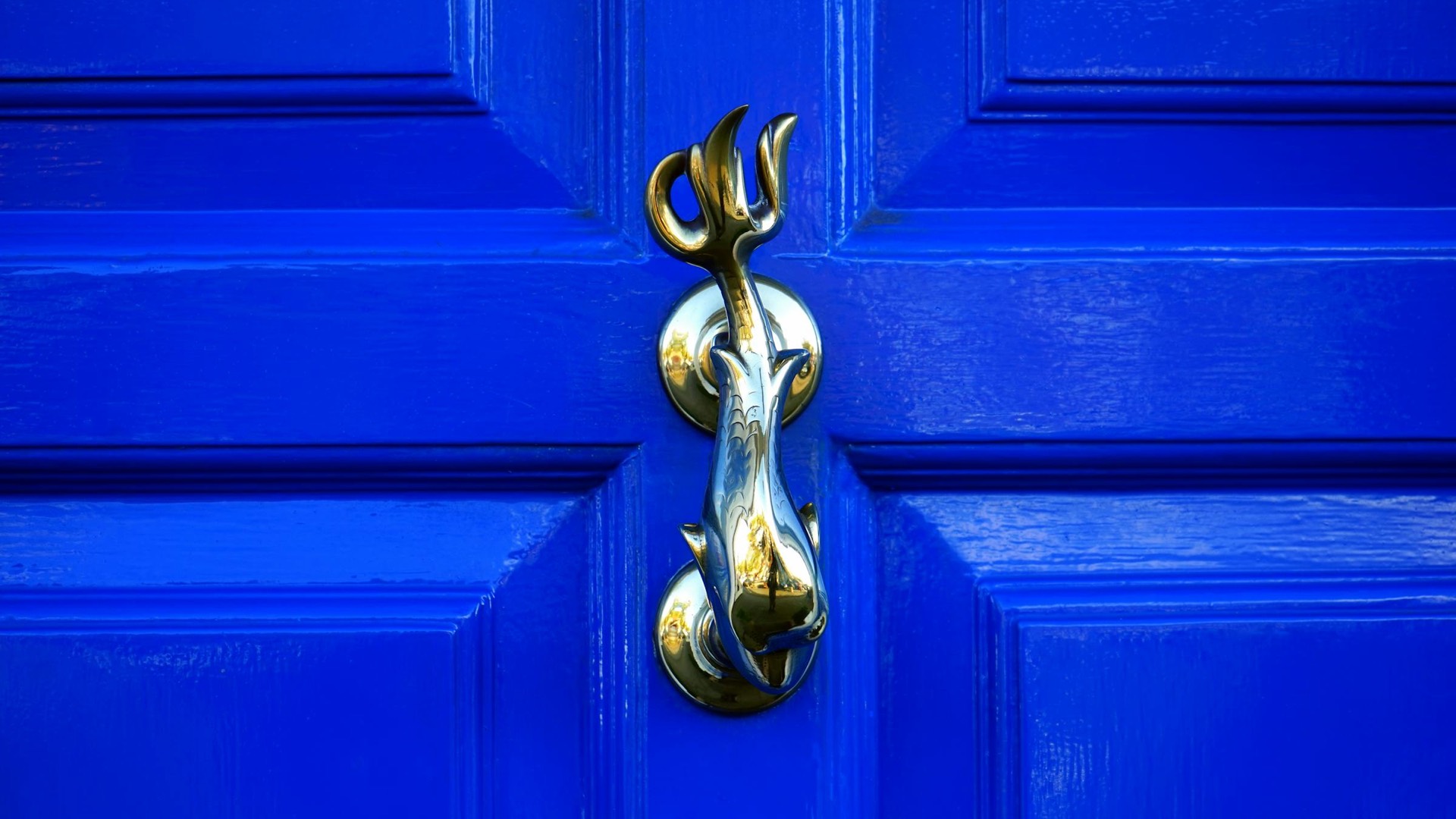
Unlacquered, always. The metal is allowed to find its own color through the first year and to deepen for the next thirty. P. E. Guerin on Jane Street for the custom cast work and the historic patterns we cannot match elsewhere. E. R. Butler for the cabinet hardware and the door furniture on the more architectural houses. Nanz for the steady production catalog and a reliable finish. Rocky Mountain Hardware where the Western weight is right for a Litchfield farmhouse door. Maison Vervloet in Brussels for the European houses and the Italian-leaning interiors. Atelier de Ricou in Paris for the specialty plaster-and-bronze work. Maintenance is a soft cloth, occasionally a wax, never a polish that strips the patina.
Tile
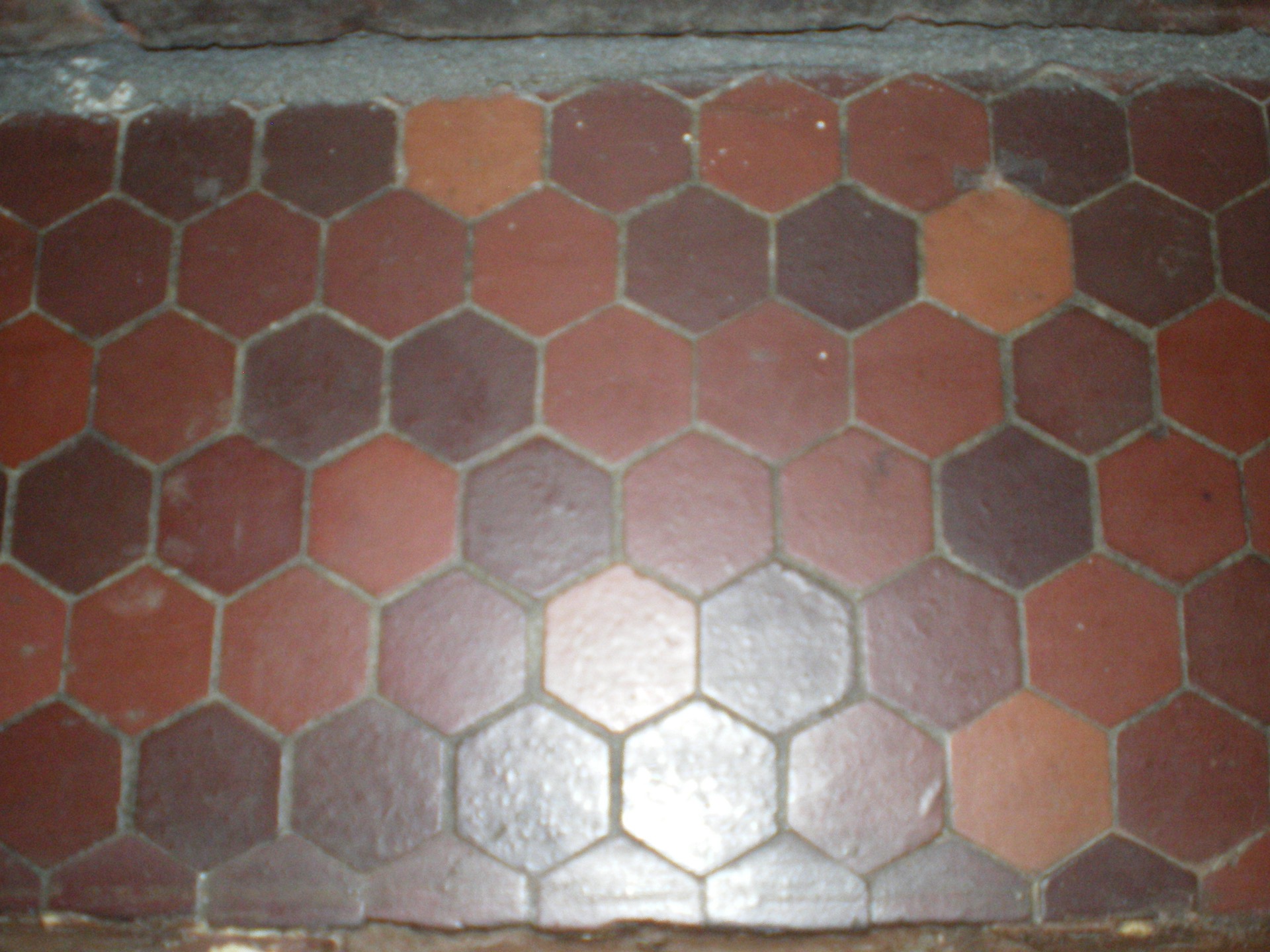
Impruneta cotto in the historic 25 by 25 and 30 by 30 formats for kitchens, halls, and orangeries; the surface is sealed once with a linseed-and-wax dressing and then lived on. Salernes tomettes, hexagonal and irregular, for the rooms where we want a Provencal floor that reads as inherited. Encaustic cement tile for a powder room or a back hall, set in straight bond or a single field pattern, never a Pinterest mosaic. Zellige for one wall in a kitchen or a bath, the irregularity kept honest. We specify from Cotto Fornace Brunelleschi and Fornace Masini in Impruneta for the cotto pavers; Vietri for glazed majolica when a kitchen or a bath wants a single hand-painted run; Popham Design in Marrakech for encaustic cement; Cle Tile for zellige and the harder-to-source Mediterranean catalogs. Maintenance is the same lime soap and water for ten years; encaustic gets a wax twice a year for the first two seasons.
Textile
Pierre Frey and Braquenie for the printed cottons and the toile we still use in a Litchfield bedroom or a Lombard salon. Le Manach for the small-figure weaves that carry a chair from one room to the next. Fortuny for one curtain, one cushion, one pleated lamp; never a whole room. Rubelli and Dedar for the heavier upholstery weights and the contemporary jacquards. Holland and Sherry for wool on the walls of a library or a billiard room. Loro Piana Interiors cashmere for the bedroom seating and the throws that actually get used. Robert Kime for the curated antique and reproduction line that anchors the English-rooted houses. Lee Jofa for the dependable stock we can carry across a generational renovation. Libeco and Society Limonta for the Italian and Belgian linen sheers and bedding. John Boyd Textiles for horsehair on dining chairs and a single statement bench. We keep the schedule narrow on purpose, and we hold a sample library at the studio.
Specialty finishes
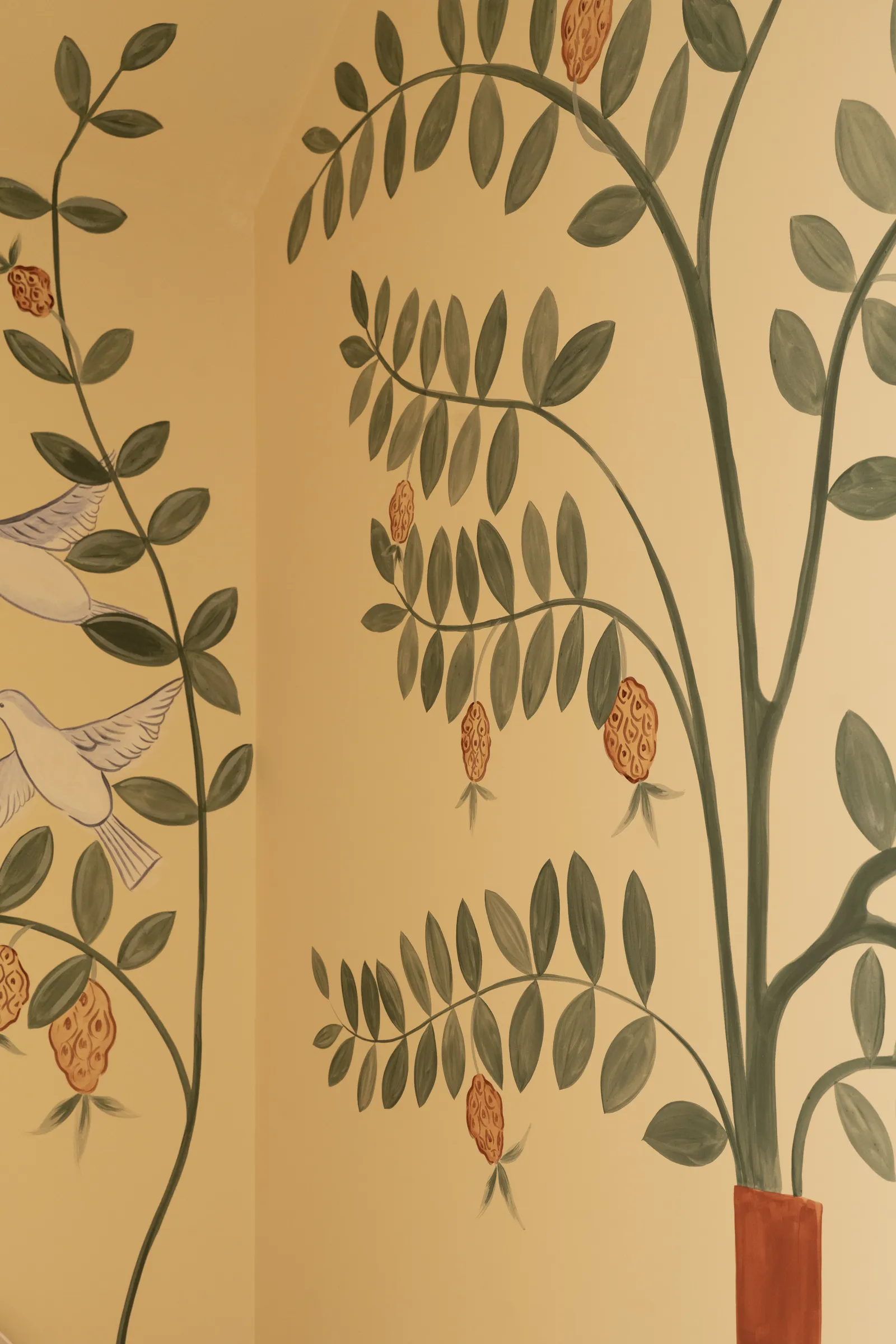
Scagliola for a chimneypiece, a console top, or a small altar in a chapel-scale room, executed by Bianco Bianchi in Florence, the only workshop we will sign off on for the historic technique. Sgraffito for exterior work, scratched through a tinted lime coat to a darker ground, drawn by ateliers who carry the regional vocabulary. Fresco fragment stabilization by Soprintendenza-trained conservators when we inherit a wall or a ceiling that should not be lost; the conservator is engaged before the architect, not after. These are not finishes we add for character. They are the finishes a building tells us it already had, or that the program quietly asks for, and we treat them with the same seriousness as the structural decisions.
How we work this list
Material decisions are made early, by the principals, in the same meeting as the plan moves. We do not pass a finish schedule down to a junior in week six. We carry the same vocabulary across a Greenwich Shingle Style, a Salisbury Federal, and a Lombard farmhouse, and we adjust the dialect, never the discipline. Clients are welcome to ask why a workshop is named here and another is not. The answer is always the same: we have stood at the bench, we have seen the work installed, and we have lived with it through at least one season.
Lime and plaster
Three coats (arriccio, intonaco, velatura), hand-troweled, no roller. Salernes lime for Provence, a Brescia lime atelier for Lombardy, marmorino for Connecticut. Velatura over intonaco reads the light. Annual maintenance: one half-day per major wall. We do not use latex paint over lime.

Oak floors and paneling
French oak parquet de Versailles for formal rooms, fumed oak floorboards 220 to 280 millimeters wide for working rooms. English brown oak for the dining anchor. Hand-rubbed wax in two coats, no polyurethane. Hull Forest Products on the Connecticut end, a Vosges miller for parquet de Versailles.
Stone and fieldstone
Litchfield County fieldstone laid in lime mortar for foundations and Connecticut hearth walls, Henraux Statuario Altissimo from Querceta on a formal bath, Bardiglio on a kitchen island, Verde Alpi on a powder room, Patagonia quartzite on one specific kitchen type. The mason in Salisbury who lays a Federal foundation the way it was laid in 1812.
Hearth, bronze, textile
Unlacquered bronze hardware from P.E. Guerin and Nanz, hand-forged ironwork from a British smith we run with, Pierre Frey damask and Holland and Sherry wool at curtain weights, Belgian linen on sofas, Rubelli silk on a bergere. Sommerhuber kachelofen at the long wall. Wax once a season; no lacquer ever.
Sources and notes
Chesa Studio working spec book, 2026 edition.
Site notes from current restoration and new-build projects across Lombardy, Litchfield County, and Greenwich.
Bench visits and reference installs at Henraux (Querceta), Sommerhuber (Steyr), P. E. Guerin (New York), Kamp Studios (New York), Cle Tile, and named partner ateliers.
Discuss a material brief.
Send a brief or call the studio. We respond to every serious inquiry within two working days.